Have you ever wondered how industries ensure the purity of their products? Magnetic separation plays a crucial role in removing unwanted materials.
In this article, we will explore the basics of magnetic separation and how magnetic separators function. You’ll learn why this technology is vital across various industries and its numerous benefits.
Introduction to Magnetic Separation
What is Magnetic Separation?
Magnetic separation is a process used to separate magnetic materials from non-magnetic ones. This technique relies on the magnetic properties of certain materials, allowing them to be attracted to a magnetic field. The principle is quite simple: when a mixture of magnetic and non-magnetic materials passes through a magnetic field, the magnetic materials are pulled away, while the non-magnetic materials continue on their path.
Basic Principles of Magnetic Separation
● Magnetic Fields: A magnetic field is created by magnets or electromagnets. This field can be adjusted in strength depending on the materials being processed.
● Material Properties: Only materials with ferromagnetic properties, like iron, nickel, and cobalt, will respond to the magnetic field. Non-magnetic materials, such as plastics or wood, will not be affected.
● Separation Process: As the mixture moves through the separator, the magnetic materials are collected, while the non-magnetic materials are discarded or moved to another area.
Why is Magnetic Separation Important?
Magnetic separation plays a vital role in various industries. It is essential for ensuring product quality and safety, especially in sectors like mining, food production, and recycling. By removing contaminants, it helps maintain the integrity of the final products.
Importance in Various Industries
● Mining: In mining, magnetic separation is used to extract valuable minerals from ores. This process enhances the purity of the extracted materials, making them more suitable for further processing.
● Food Industry: In food production, it is crucial to eliminate metal contaminants to ensure consumer safety. Magnetic separators help prevent product recalls and maintain brand reputation.
● Recycling: The recycling industry benefits from magnetic separation by efficiently sorting metals from other materials, promoting sustainability and resource recovery.
Benefits of Using Magnetic Separation Techniques
Using magnetic separation techniques offers numerous advantages. Here are some key benefits:
1. Efficiency: Magnetic separators can process large volumes of materials quickly, making them ideal for industrial applications.
2. Cost-Effective: By reducing the need for manual sorting, these systems lower operational costs and improve productivity.
3. Enhanced Product Quality: They help ensure the purity of end products, which is critical in industries like pharmaceuticals and food processing.
Benefit | Description |
Efficiency | Processes large quantities rapidly |
Cost-Effectiveness | Reduces labor costs and increases throughput |
Quality Assurance | Ensures product safety and compliance with regulations |
In summary, magnetic separation is a powerful tool across many industries, enhancing efficiency and product quality while ensuring safety. Its simple yet effective principles make it an indispensable technology in today’s manufacturing and processing environments.

Types of Magnetic Separators
What are the Different Types of Magnetic Separators?
Magnetic separators come in various types, each designed for specific applications and materials. Understanding these types helps industries choose the right equipment for their needs. Here’s a look at some common magnetic separators used today:
Magnetic Drum Separator
The magnetic drum separator is one of the most widely used types. It consists of a rotating drum that is magnetized, allowing it to attract magnetic materials as they pass over its surface. This type is particularly effective for separating ferrous metals from bulk materials.
● Applications: It's commonly used in mining, recycling, and food processing industries.
● Key Features: Continuous operation, high capacity, and easy maintenance.
High Gradient Magnetic Separator
High gradient magnetic separators (HGMS) use a strong magnetic field to capture even weakly magnetic particles. They are equipped with matrix materials that enhance the magnetic field's effectiveness.
● Applications: Often found in mineral processing and wastewater treatment.
● Key Features: High efficiency in recovering fine particles and versatility in various applications.
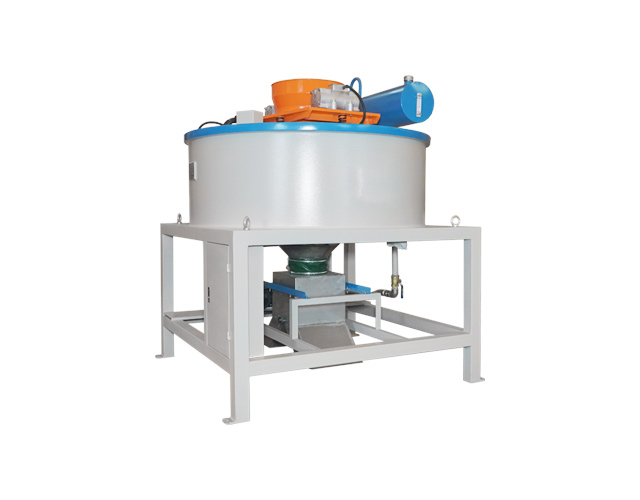
Dry Magnetic Separator
Dry magnetic separators are designed to operate without water. They are ideal for dry materials and are commonly used in mineral processing and recycling.
● Applications: Used in separating non-metallic minerals and in recycling metal scraps.
● Key Features: Lower operational costs and reduced environmental impact due to no water usage.
How Do These Magnetic Separators Differ?
Each type of magnetic separator has unique features and applications, making them suitable for different tasks. Here’s a comparison of their key characteristics:
Type | Key Features | Applications | Efficiency |
Magnetic Drum Separator | Continuous operation, high capacity | Mining, recycling, food processing | High for bulk materials |
High Gradient Magnetic Separator | Strong magnetic field, matrix enhancement | Mineral processing, wastewater | Very high for fine particles |
Dry Magnetic Separator | Operates without water, cost-effective | Non-metallic minerals, recycling | Efficient for dry materials |
When selecting a magnetic separator, it’s essential to consider the material's properties and the desired outcome. For instance, if you need to separate fine particles from a slurry, a high gradient magnetic separator would be ideal. Conversely, for bulk material processing, a magnetic drum separator might be more suitable.
By understanding the differences among these separators, industries can optimize their processes, ensuring maximum efficiency and effectiveness in material separation.
Applications of Magnetic Separation in Various Industries
How is Magnetic Separation Used in the Mining Industry?
Magnetic separation plays a crucial role in the mining industry, particularly in mineral processing. This technique is essential for extracting valuable minerals from ores while removing unwanted impurities. By utilizing magnetic separators, miners can enhance the purity and quality of their products.
Role in Mineral Processing
In mineral processing, magnetic separation helps isolate ferrous materials from non-ferrous ones. This process not only increases the yield of valuable minerals but also reduces the presence of iron impurities, which can affect the quality of the final product. For example, the use of magnetic drum separators allows for continuous separation of iron-rich minerals from a mixture, significantly improving product quality.
Specific Examples of Magnetic Separators in Use
One common magnetic separator used in mining is the wet magnetic separator, which is effective for separating fine particles from slurries. Another example is the overband magnetic separator, often employed on conveyor belts to remove ferrous metals from bulk materials. These devices are vital in ensuring that the extracted minerals meet industry standards for purity.
What is the Importance of Magnetic Separation in the Chemical Industry?
In the chemical industry, magnetic separation is instrumental in controlling metal contamination. Ensuring product purity is essential for maintaining safety and quality standards, especially when dealing with sensitive chemical formulations.
Controlling Metal Contamination
Metal contamination can lead to significant issues in chemical processing, including equipment wear and compromised product integrity. Magnetic separators help mitigate these risks by capturing stray metal particles before they can cause damage.
Case Studies of Magnetic Separators in Chemical Processing
For instance, Magnattack’s Mag-ram® self-cleaning magnetic separator is widely used in various chemical applications. This device effectively removes metal contaminants while minimizing downtime, as it automatically cleans itself. Such innovations highlight the importance of magnetic separation in maintaining a clean and efficient production environment.
How Does Magnetic Separation Benefit the Food and Pharmaceutical Industries?
The food and pharmaceutical industries place a high premium on purity and safety standards. Magnetic separation is crucial in these sectors, as it helps eliminate foreign metals that could compromise product quality.
Importance of Purity and Safety Standards
Regulatory bodies require strict adherence to safety standards, making the removal of contaminants essential. Magnetic separators are designed to meet these regulatory requirements, such as HACCP certification, ensuring that products are safe for consumption.
Examples of Magnetic Separators Meeting Regulatory Requirements
Devices like magnetic traps and inline magnetic separators are commonly used in food processing. They effectively capture metal fragments during production, preventing potential recalls and protecting consumer health. By integrating these systems, manufacturers can significantly reduce the risk of contamination.
What Role Does Magnetic Separation Play in Recycling?
Magnetic separation is increasingly important in recycling, especially in the recovery of valuable materials from waste streams. Its applications extend to various sectors, including plastic recycling and battery recycling.
Applications in Plastic and Battery Recycling
In plastic recycling, magnetic separators help remove ferrous contaminants from plastic waste, enhancing the quality of recycled materials. Similarly, in battery recycling, they are used to extract valuable metals like lithium and cobalt from spent batteries, contributing to resource recovery and sustainability.
Impact on Sustainability and Resource Recovery
The adaptability of magnetic separators in recycling processes is remarkable. They can be tailored to suit different materials, making them invaluable in achieving sustainability goals. By efficiently separating materials, these devices promote resource recovery and reduce landfill waste, ultimately benefiting the environment.
Industry | Key Benefits of Magnetic Separation | Examples of Magnetic Separators |
Mining | Enhances product purity, removes iron impurities | Wet magnetic separators, overband separators |
Chemical | Controls metal contamination, protects equipment | Magnattack’s Mag-ram® |
Food & Pharmaceutical | Ensures safety standards, prevents recalls | Magnetic traps, inline separators |
Recycling | Improves material recovery, promotes sustainability | Magnetic separators for plastics and batteries |
Magnetic separation is a versatile technology that plays a pivotal role in various industries. Its applications not only enhance product quality and safety but also contribute to sustainability efforts across the board.
Key Technologies and Innovations in Magnetic Separation
What are the Core Technologies Behind Magnetic Separation?
At the heart of magnetic separation lies a combination of core technologies that define its effectiveness. One of the most critical aspects is magnetic field strength. The strength of the magnetic field can reach impressive levels, often between 10,000 to 11,000 Gauss. This high intensity allows for the efficient separation of even the smallest ferrous particles from various materials, ensuring high purity levels in the final products.
Innovations in Self-Cleaning Magnetic Separators
Recent advancements have led to the development of self-cleaning magnetic separators, which significantly enhance operational efficiency. These innovative devices automatically remove captured ferrous materials without requiring manual intervention. This not only minimizes downtime but also reduces labor costs, allowing facilities to maintain continuous production cycles. By integrating automated cleaning mechanisms, manufacturers can ensure that their systems remain effective over extended periods.
How Do Modern Magnetic Separators Enhance Efficiency?
Modern magnetic separators are designed with features that greatly improve their efficiency in various applications. One notable advancement is the incorporation of automated cleaning systems. These systems help maintain optimal performance by regularly clearing out collected contaminants, thus preventing buildup that could hinder separation processes.
Features like Automated Cleaning and Multi-Stage Separation
The introduction of multi-stage separation technologies allows for more thorough processing of materials. By utilizing multiple magnetic fields at different stages, these separators can effectively isolate various types of contaminants, enhancing overall recovery rates. This method is particularly useful in industries where product purity is paramount.
Feature | Description | Benefits |
Automated Cleaning | Self-cleaning mechanisms | Reduces downtime, lowers labor costs |
Multi-Stage Separation | Multiple magnetic fields for thorough processing | Improves recovery rates, enhances purity |
Customization Options | Tailored designs for specific industries | Meets unique operational needs |
Customization Options for Specific Industries
Another significant trend is the customization of magnetic separators to meet the specific needs of different industries. Whether it’s food processing, pharmaceuticals, or recycling, manufacturers can design separators that cater to unique material properties and contamination challenges. This level of customization ensures that businesses can achieve optimal results tailored to their operational requirements.
Discussion on the Integration of Smart Sensors for Operational Safety
The integration of smart sensors into magnetic separation systems is revolutionizing how these devices operate. These sensors monitor various parameters, such as magnetic field strength, flow rates, and contamination levels, providing real-time data that enhances operational safety. By alerting operators to any deviations from optimal conditions, smart sensors help prevent equipment failure and ensure consistent performance.
Incorporating these technologies not only boosts the efficiency of magnetic separators but also contributes to safer and more reliable operations across industries. As industries continue to evolve, the role of magnetic separation will undoubtedly expand, driven by ongoing innovations and technological advancements.
Benefits of Using Magnetic Separators
What Are the Advantages of Magnetic Separation?
Magnetic separation offers several significant advantages that make it a preferred choice in various industries. One of the most notable benefits is its high separation efficiency combined with low energy consumption. This technology can effectively separate ferrous materials from non-ferrous ones, achieving high purity levels while minimizing operational costs. The energy-efficient nature of magnetic separators means companies can save on electricity bills while maintaining productivity.
Ease of Maintenance and Operation
Another advantage lies in the ease of maintenance and operation. Magnetic separators are designed for user-friendly functionality, allowing operators to quickly understand and manage the equipment. Regular maintenance is straightforward, often requiring minimal downtime. This simplicity not only enhances productivity but also reduces the need for extensive training, making it accessible for a wide range of staff.
Ability to Process Large Volumes of Material Effectively
Magnetic separators excel at processing large volumes of material efficiently. They can handle substantial throughput without compromising performance, making them ideal for industries such as mining, recycling, and food processing. This capability ensures that businesses can meet high demand while maintaining quality standards.
Advantage | Description | Benefits |
High Separation Efficiency | Effectively separates materials | Enhances product purity, reduces waste |
Low Energy Consumption | Operates with minimal energy usage | Lowers operational costs |
Easy Maintenance | User-friendly design for quick upkeep | Reduces downtime, simplifies training |
High Processing Capacity | Handles large material volumes | Meets high production demands |
How Do Magnetic Separators Contribute to Product Quality?
Magnetic separators play a crucial role in enhancing the purity and quality of end products. By effectively removing ferrous contaminants, they ensure that the materials processed are free from unwanted metal particles. This level of cleanliness is especially critical in industries where product integrity is paramount, such as food and pharmaceuticals.
Reducing Contamination Risks in Production Processes
Moreover, magnetic separators help in reducing contamination risks during production processes. By capturing metal debris before it can mix with the final product, these devices safeguard against potential recalls and safety issues. This proactive approach not only protects consumers but also helps companies maintain their reputations in the market.
In summary, the benefits of using magnetic separators extend beyond just operational efficiency. They significantly enhance product quality and safety, making them an essential tool across diverse industries.
Industry Compliance and Standards
What Compliance Standards Do Magnetic Separators Meet?
Magnetic separators are essential in ensuring that products meet stringent compliance standards, particularly in industries like food processing and pharmaceuticals. They often adhere to USDA (United States Department of Agriculture) and HACCP (Hazard Analysis Critical Control Point) certifications. These certifications signify that the equipment is designed to minimize contamination risks and ensure product safety.
Overview of USDA and HACCP Certifications
● USDA Certification: This certification ensures that magnetic separators are suitable for use in food applications, meeting health and safety regulations. It verifies that the materials used in the construction of the separators are safe for contact with food products.
● HACCP Certification: HACCP focuses on preventing hazards in food production. Magnetic separators play a crucial role in this system by identifying and removing metal contaminants, thus supporting compliance with safety protocols.
Certification | Description | Importance |
USDA | Ensures safety for food-related applications | Protects consumer health |
HACCP | Prevents hazards in food production | Enhances overall food safety |
Importance of Compliance in High-Regulation Industries
In high-regulation industries, compliance is not just a formality; it’s a necessity. Companies must ensure that their processes and equipment meet these standards to avoid legal issues and maintain consumer trust. Failing to comply can lead to severe consequences, including product recalls and reputational damage. Magnetic separators help businesses navigate these regulations effectively by providing reliable contamination control.
How Do Magnetic Separators Help Achieve Industry Standards?
Magnetic separators play a pivotal role in ensuring product safety and quality. By effectively removing ferrous contaminants, they help maintain the integrity of the final products. This capability is crucial for companies striving to meet industry standards and regulations, as it directly impacts the safety of the products delivered to consumers.
Role in Ensuring Product Safety and Quality
Magnetic separators are designed to capture even the smallest metal particles, which can compromise product safety. This functionality is vital in industries where product purity is critical. For example, in food processing, even tiny metal fragments can pose significant health risks.
Examples of Certified Products from Companies
Several companies, such as Eriez and Magnattack, offer certified magnetic separators that comply with industry standards. These products are engineered to meet rigorous safety and quality benchmarks, ensuring that businesses can confidently use them in their operations.
Company | Product Type | Certifications |
Eriez | Magnetic Conveyor | USDA, HACCP |
Magnattack | Magnetic Grate | USDA, HACCP |
By integrating these certified magnetic separators into their processes, companies can enhance their compliance efforts, ensuring that they deliver safe, high-quality products to the market.
Future Trends in Magnetic Separation
What Are the Emerging Trends in Magnetic Separation Technology?
The field of magnetic separation is rapidly evolving. New technologies are shaping how industries utilize magnetic separators, making them more efficient and versatile. Some of the most significant emerging trends include advances in materials and design and the integration of smart technologies and sensors.
Advances in Materials and Design
Recent innovations in materials have led to the development of stronger and more durable magnetic separators. These advancements allow for better performance in challenging environments. For instance, the use of high-energy magnets and lightweight composites enhances the efficiency of separation processes. Companies are now able to create separators that are not only effective but also easier to install and maintain.
Integration with Smart Technologies and Sensors
The integration of smart technologies is another exciting trend. Magnetic separators are increasingly equipped with sensors that monitor performance in real-time. This capability allows operators to receive immediate feedback about the efficiency of the separation process. By utilizing data analytics, businesses can optimize their operations, reducing downtime and improving product quality.
Trend | Description | Impact |
Advanced Materials | Use of high-energy magnets and composites | Increased efficiency and durability |
Smart Technology Integration | Sensors for real-time monitoring | Enhanced operational insights |
How Will Magnetic Separation Evolve in the Coming Years?
As we look ahead, magnetic separation technology is poised for significant evolution. Predictions suggest that we will see new applications and innovations emerge across various sectors. Industries will likely adopt more advanced magnetic separation systems that incorporate AI and machine learning for improved decision-making.
Predictions for Future Applications and Innovations
In the coming years, magnetic separation may find applications in areas such as waste management and recycling. For example, magnetic separators could play a vital role in separating metals from electronic waste, contributing to more sustainable practices. Additionally, advancements in automation will enable these systems to operate more independently, further enhancing efficiency.
Potential for Increased Efficiency and Adaptability
The potential for increased efficiency and adaptability is immense. As industries face growing demands for sustainable practices, magnetic separators will need to adapt to new challenges. Innovations in design and technology will allow these devices to function effectively across various environments, from food processing to mining operations. This adaptability will ensure that magnetic separation remains a key player in industrial processes.
Future Application | Potential Innovation | Industry Impact |
Waste Management | Enhanced separation of metals from e-waste | Promotes recycling and sustainability |
Automation in Operations | AI-driven decision-making for optimal performance | Increases efficiency and reduces costs |
Conclusion
Magnetic separation plays a crucial role across various industries. It enhances product safety by removing contaminants effectively. Key trends include advancements in materials and the integration of smart technologies. These innovations promise improved efficiency and adaptability in operations.
Overall, magnetic separators are essential for maintaining quality and compliance in manufacturing processes. Their importance will only grow as industries seek sustainable solutions and enhanced performance.
FAQ
Q: What is the cost of a magnetic separator?
A: The cost varies widely based on type and application, typically ranging from a few hundred to several thousand dollars.
Q: How do I choose the right magnetic separator for my industry?
A: Consider factors like material type, size, and the specific contaminants you need to remove.
Q: What maintenance is required for magnetic separators?
A: Regular cleaning, inspection, and occasional recalibration are essential for optimal performance.
Q: Can magnetic separators handle all types of materials?
A: No, they are most effective with ferrous materials and may not work well with non-magnetic substances.
Q: What are the limitations of magnetic separation?
A: Limitations include difficulty in separating materials with similar magnetic properties and inefficiency with non-ferrous contaminants.


