Introduction
Are you looking for a reliable and efficient way to crush large materials? A Jaw Crusher may be the perfect solution.
In this article, we will explore the Jaw Crusher, its key features, and how it is used in industries like mining, construction, and recycling. You will also learn about its applications and why it is essential for primary crushing tasks.
How a Jaw Crusher Works
Jaw Crusher Structure and Function
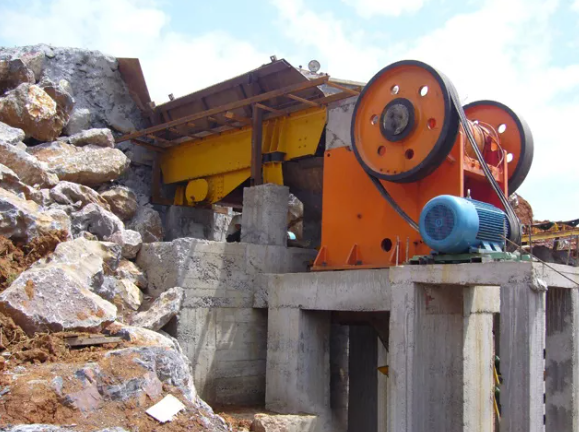
A Jaw Crusher consists of two main components: a fixed jaw plate and a movable jaw plate. These plates form a V-shaped opening, known as the crushing chamber. When material enters this chamber, the movable jaw moves back and forth, compressing and crushing the material between the two jaws. This action leads to a continuous reduction in size as the material moves down the crushing chamber, ultimately being discharged as smaller particles.
The fixed jaw plate is stationary, while the movable jaw plate swings back and forth, powered by an eccentric shaft. This simple yet effective mechanism makes jaw crushers incredibly powerful machines capable of breaking down even the toughest materials.
Mechanism of Material Crushing
The eccentric shaft of the jaw crusher drives the movable jaw. As the jaw moves back and forth, it generates compression force, crushing the material. The size of the crushed material is determined by the gap between the fixed and movable jaws, known as the closed side setting (CSS). The nip angle, which is the angle between the two jaws, plays a crucial role in how the material is gripped and crushed. A larger nip angle provides better grip on harder materials, making the crushing process more efficient.
In addition to its mechanical advantage, the jaw crusher’s crushing action ensures that material is progressively broken down to smaller sizes, making it suitable for primary crushing in a variety of industries. Regularly check the closed side setting (CSS) to ensure optimal crushing performance and adjust the nip angle based on the material type. Proper adjustment of these settings can improve crushing efficiency and prolong the lifespan of the machine.
Adjusting the Crushing Chamber
To achieve the desired product size, the gap setting in the jaw crusher can be adjusted. The nip angle is also adjustable, which affects how the jaws grip and crush the material. A larger nip angle provides a better grip on harder materials, improving efficiency in crushing, while a smaller nip angle may be more suited for softer materials. Adjusting these factors helps ensure that the jaw crusher produces the optimal material size, tailored to specific application requirements.
The crushing chamber can also be customized for different tasks, allowing the machine to work efficiently in various applications, whether it's for breaking down soft materials or hard rocks.
For specific applications, adjusting the nip angle and gap setting can significantly affect the material’s final size, ensuring that the product meets your needs. Be sure to consult the crusher’s manual for specific adjustment guidelines.
Key Components of a Jaw Crusher
Main Parts of a Jaw Crusher
The primary components of a Jaw Crusher include the fixed jaw plate, movable jaw plate, and the eccentric shaft. The flywheel helps maintain smooth operation by storing energy and ensuring continuous motion, while the toggle plate ensures the proper movement of the movable jaw.
| Component | Description |
| Fixed Jaw Plate | Stationary part that holds the material in place for crushing. |
| Movable Jaw Plate | Moves back and forth, applying pressure to break down the material. |
| Eccentric Shaft | Powers the movement of the movable jaw. |
| Flywheel | Stores energy and maintains the smooth motion of the crusher. |
| Toggle Plate | Controls the movement of the movable jaw and helps maintain the crushing force. |
Technical Parameters of Jaw Crushers
| Parameter | Description |
| Gape Width | Size of the opening between the jaws, determining the crusher's capacity. |
| Maximum Feed Size | The largest material size the crusher can accept. |
| Size Reduction Ratio | Ratio of the size of the raw material to the size of the crushed material. |
| Stroke | The distance the movable jaw travels during one cycle. |
| Nip Angle | The angle formed between the jaws, affecting material gripping and crushing efficiency. |
Maintaining and Replacing Parts
As jaw crushers handle tough materials, certain parts like the jaw plates, toggle plates, and eccentric shaft undergo wear over time. Regular maintenance and timely replacement of these parts are crucial for maintaining the efficiency and longevity of the crusher. Keeping the machine well-lubricated and ensuring that the flywheel and eccentric shaft are in good condition are also important for smooth operation.
Tip: Regularly inspect wear parts, especially the jaw plates, and replace them before they become too thin to ensure efficient crushing. Neglecting to replace worn parts could lead to more severe damage and downtime.
Types of Jaw Crushers and Their Differences
Single-toggle vs. Double-toggle Jaw Crushers
Single-toggle jaw crushers feature one moving jaw and one fixed jaw. The moving jaw is supported by a bearing on an eccentric shaft, allowing it to pivot and create a crushing action.
Double-toggle jaw crushers use two toggle plates and feature a more complex mechanism. This design allows for greater pressure to be applied to the material, making it ideal for crushing hard and abrasive materials.
Single-toggle jaw crushers are commonly used in industries where softer materials need to be crushed. They are simpler, more cost-effective, and generally easier to maintain.
On the other hand, double-toggle jaw crushers are suited for crushing hard, abrasive materials. Their mechanism generates greater pressure, making them ideal for demanding crushing tasks. They are often used in applications where higher performance is required. If you are dealing with harder materials, a double-toggle jaw crusher may be a better fit due to its ability to handle higher pressures and tougher tasks.
| Feature | Single-toggle Jaw Crusher | Double-toggle Jaw Crusher |
| Movement | Simple back-and-forth motion of the jaw. | More complex motion with higher pressure. |
| Application | Best for softer materials. | Suited for crushing hard and abrasive materials. |
| Efficiency | Higher throughput for softer materials. | Greater crushing force for tougher materials. |
| Maintenance | Easier and cheaper to maintain. | More complex and costly to maintain. |
Other Jaw Crusher Variants
Forced feed jaw crushers: These crushers are designed to force the material into the crushing chamber, ensuring higher efficiency by reducing blockages and improving material flow.
Bulldog jaw crushers: Known for their durability and heavy-duty construction, bulldog jaw crushers are often used for breaking tough materials, providing consistent and reliable performance.
If you require a higher throughput and more consistent material handling, consider a forced feed jaw crusher for improved material flow and efficiency.
Common Applications of Jaw Crushers
Jaw Crushers in Mining and Quarrying
In the mining industry, Jaw Crushers are used for primary crushing of ores and rocks. They are highly effective in breaking down large pieces of iron, copper, gold, and coal ore into smaller sizes for further processing. The primary crushing process prepares the material for secondary and tertiary crushers, ensuring that the material is of an appropriate size for further refinement.
Jaw Crushers in Construction and Recycling
Jaw Crushers are widely used in the construction industry to break down materials such as concrete, asphalt, and bricks. These crushers help recycle construction debris into reusable aggregates, reducing waste and promoting sustainability in building projects. The ability to process recycled materials makes jaw crushers essential for construction companies focusing on environmental responsibility.
Other Industrial Applications
Jaw crushers also find applications in breaking down materials for recycling electronic waste, glass, and other hard-to-process materials. Their versatility makes them an essential tool across many sectors, from waste management to demolition.
Pros and Cons of Using a Jaw Crusher
Benefits of Jaw Crushers
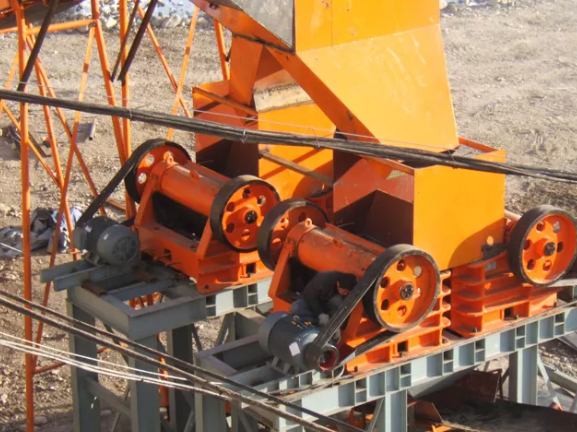
Simple operation: Jaw crushers are relatively easy to operate and maintain, making them an ideal choice for companies looking for efficient yet user-friendly equipment.
Low maintenance: With fewer moving parts compared to other crushers, jaw crushers require less maintenance, saving you time and money in the long run.
Durability: Built to withstand tough operating conditions, jaw crushers have a long service life and are designed for high performance.
High efficiency: They can handle a wide range of materials, offering flexibility in processing various types of ores and aggregates.
Limitations of Jaw Crushers
While jaw crushers are excellent for primary crushing, they are not well-suited for fine crushing. The size reduction ratio is lower compared to secondary crushers like cone crushers or impact crushers. Jaw crushers are designed to handle larger materials, making them less effective for producing fine particles.
Choosing the Right Jaw Crusher for Your Needs
Factors to Consider When Selecting a Jaw Crusher
When choosing a jaw crusher, consider factors such as:
Material type: What materials will you be crushing? Softer materials require less pressure, while harder materials may need more force.
Product size: What is the desired size of the final product? Choose a crusher with adjustable settings for precise control.
Throughput capacity: How much material do you need to process? Choose a crusher that matches your production needs.
Configuring a Jaw Crusher for Specific Applications
Each jaw crusher can be configured to suit specific materials and output requirements. It’s important to adjust the gap settings, nip angle, and stroke to optimize performance based on your unique needs. This customization ensures that the jaw crusher performs at its best for different types of materials and desired output sizes.
Tip: For optimal performance, adjust the crushing setup to match the material’s hardness and size distribution. Be sure to consult the crusher’s manual for specific adjustment guidelines.
Conclusion
The Jaw Crusher is a versatile and durable machine, essential for primary crushing in industries such as mining, construction, and recycling. It efficiently handles tough materials, making it indispensable for these sectors. Selecting the right jaw crusher involves considering material type, product size, and throughput capacity to optimize performance. Regular maintenance, along with proper component adjustments, can prolong its lifespan, ensuring long-term reliability.
For businesses looking for high-performance jaw crushers, Nanjing Sinonine Heavy Industry Science and Technology Co., Ltd. offers top-tier products. Their advanced crushers provide unmatched durability and efficiency, delivering significant value across various applications.
FAQ
Q: What is a Jaw Crusher?
A: A Jaw Crusher is a heavy-duty machine used for primary crushing. It breaks down large materials, such as rocks and ores, into smaller, manageable pieces using compressive force.
Q: How does a Jaw Crusher work?
A: A Jaw Crusher works by applying pressure through two jaw plates. One is fixed, and the other moves back and forth, crushing material between them.
Q: What are the main applications of a Jaw Crusher?
A: Jaw Crushers are commonly used in industries like mining, construction, and recycling for primary crushing of tough materials like ore and concrete.
Q: Why is a Jaw Crusher used in primary crushing?
A: A Jaw Crusher is ideal for primary crushing because it can efficiently handle large, hard materials, reducing them to smaller sizes for further processing.
Q: What are the advantages of using a Jaw Crusher?
A: Jaw Crushers are durable, easy to maintain, and versatile. They are efficient in breaking down hard materials and provide a high throughput in many industries.


