Introduction
A ball mill is essential in transforming raw materials into fine particles. But what makes it so crucial across multiple industries? From mining to pharmaceuticals, ball mills break down materials with precision.
In this article, we'll explore the importance of ball mills, their role in various industries, and how they contribute to efficient material processing. You'll understand how to choose the right ball mill for your needs and optimize its performance.
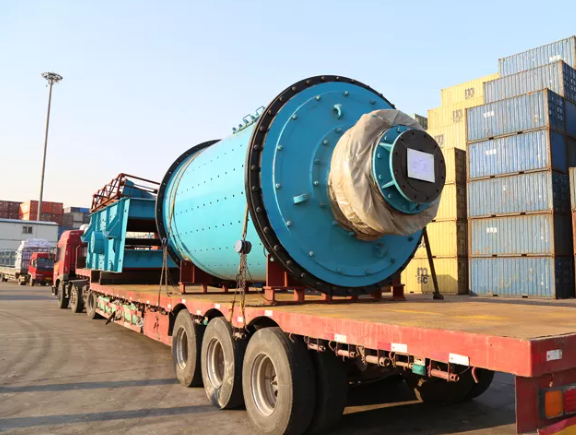
How a Ball Mill Works and Its Key Components
Main Components of a Ball Mill
A ball mill consists of several key components that work together seamlessly to reduce the size of materials and achieve desired particle sizes. These components are designed to withstand heavy operations and ensure the mill's performance:
Cylinder: The hollow, cylindrical container that rotates around its axis. The material to be ground and the grinding media are placed inside the cylinder. The rotation of the cylinder helps mix and grind the material effectively.
Grinding Media: The grinding media are typically spherical balls made of steel, ceramic, or rubber. These balls are responsible for the grinding action. As the cylinder rotates, the grinding media move inside the mill, colliding with the material and reducing its size.
Drive System: This includes the motor, gearbox, and gear ring that rotate the cylinder. The motor drives the system, causing the cylinder to rotate and the grinding media to move inside the mill. This continuous movement is what allows the grinding process to occur.
Liners: The inner surface of the cylinder is lined with protective materials such as rubber, steel, or ceramics. The liners not only protect the cylinder from wear and tear but also help lift the grinding media to a higher position, increasing the efficiency of the grinding process.
Here’s a summary of the main components of a ball mill and their functions:
| Component | Description | Function |
| Cylinder | Hollow cylindrical container rotating around its axis | Contains the material to be ground and grinding media |
| Grinding Media | Spherical balls made of steel, ceramic, or rubber | Break down the material through impact and attrition |
| Drive System | Motor, gearbox, and gear ring | Provides rotation and movement for grinding action |
| Liners | Protective materials inside the cylinder | Protect the cylinder from wear and improve grinding efficiency |
The Grinding Process in a Ball Mill
Ball mills operate on the principles of impact and attrition. The grinding process begins when the cylindrical container rotates, and the grinding media inside are lifted to a certain height. Once they reach the peak of their trajectory, they fall due to gravity and collide with the material inside. This high-energy impact causes the material to break down into smaller particles.
Alongside impact, attrition occurs as the grinding media rub against the material and each other, helping to refine the size of the particles. The combination of both impact and attrition ensures that the material is ground effectively and consistently. Factors such as the speed of rotation, the size of the grinding media, and the material's hardness all play a role in the effectiveness of the grinding process.
The grinding process in a ball mill can be controlled to meet specific production needs. By adjusting the speed, media size, and other factors, operators can fine-tune the ball mill to achieve the desired result, whether it's for coarse grinding or ultra-fine particle reduction. Adjusting the rotational speed of the ball mill can help optimize the particle size. Lower speeds often lead to finer grinding, while higher speeds are more suitable for breaking down larger particles more efficiently.
Different Types of Ball Mills and Their Applications
Common Types of Ball Mills
Ball mills are available in various configurations, each suited for different grinding processes and materials:
Planetary Ball Mills: These mills consist of two or more rotating cylinders that create high-energy impacts. The motion of the grinding media inside the cylinders allows for extremely fine grinding, making planetary ball mills ideal for research and small-scale production. They are often used in laboratories to grind materials into ultra-fine powders.
High-Energy Ball Mills: These mills operate at higher speeds and provide stronger impacts than standard mills. They are used for grinding harder materials, and their ability to generate high-energy collisions makes them suitable for achieving ultra-fine grinding results. High-energy ball mills are often employed in research and industrial processes where precision is crucial.
Horizontal Ball Mills: These are the most common type used in industrial applications. Horizontal ball mills are designed for continuous operation and large-scale production. They are known for their simple design, reliability, and ease of maintenance, making them ideal for high-volume material processing.
Below is a comparison of the common types of ball mills and their typical applications:
| Type of Ball Mill | Description | Common Applications |
| Planetary Ball Mill | High-energy, two or more rotating cylinders | Research, small-scale production, ultra-fine grinding |
| High-Energy Ball Mill | Operates at higher speeds with stronger impacts | Harder materials, ultra-fine grinding |
| Horizontal Ball Mill | Most common design, continuous operation | Large-scale production, high-volume material processing |
Key Industries Using Ball Mills
Ball mills play an essential role in various industries due to their efficiency and versatility in grinding and blending materials:
Mining and Metallurgy: Ball mills are extensively used in the mining industry to grind ores into fine powders, which is a critical step in extracting valuable minerals like gold, silver, and copper. The fine grinding process allows for more efficient separation and recovery of these metals.
Cement Production: In cement plants, ball mills grind raw materials like limestone and clinker into fine powders, essential for producing cement. The uniformity of the particle size ensures the quality and consistency of the final product.
Pharmaceuticals: Ball mills are widely used in the pharmaceutical industry to grind and mix different materials. These mills ensure consistent particle sizes and are essential for the production of high-quality drugs. They are also used for producing fine powders for medical formulations.
Ceramics: Ball mills are crucial in the ceramics industry for grinding raw materials like feldspar and clay into fine powders. These materials are then used in making tiles, pottery, and other ceramic products. The precise grinding capability of ball mills ensures the production of high-quality ceramic products.
When choosing a ball mill, it is essential to consider the specific needs of your industry. For example, high-energy ball mills may be required for tougher materials like ores, while planetary mills are better suited for research and small-scale production.
Choosing the Right Ball Mill for Your Needs
Selecting the Correct Size and Configuration
Selecting the right ball mill depends on various factors, including the type of material to be processed, the desired particle size, and the production capacity. Ball mills come in different sizes, from small laboratory-scale models to large industrial mills designed for high-volume production.
Small-Scale Production: For small batches or research purposes, a laboratory-scale ball mill might be sufficient. These smaller mills are designed for precise control of the grinding process and can be used for small sample sizes.
Large-Scale Production: For larger batches or industrial applications, horizontal ball mills with a higher capacity are more suitable. These mills can process larger quantities of material and are designed for continuous operation over extended periods.
The configuration of the ball mill, whether horizontal or vertical, also plays a role in determining the best fit for your application. Horizontal mills are typically used for larger operations, while vertical mills are preferred for certain specialized applications.
Picking the Best Grinding Media
The choice of grinding media is crucial for achieving the desired grinding results. Different types of media are available, including steel balls, ceramic balls, and rubber balls. The selection of grinding media depends on factors such as the material's hardness, the desired particle size, and the potential for contamination.
Steel Balls: Commonly used in most industrial applications due to their durability and ability to generate high impact forces.
Ceramic Balls: These are used in specialized applications where contamination needs to be minimized, such as in the pharmaceutical and chemical industries.
Rubber Balls: These are suitable for grinding softer materials and are often used in applications where noise reduction is a priority.
Choose the right grinding media based on the hardness of your material. Harder materials may require larger, denser grinding media to achieve optimal results.
Benefits and Limitations of Using Ball Mills
Advantages of Ball Mills in Material Processing
Ball mills offer several key benefits that make them valuable in various material processing tasks:
High Efficiency: Ball mills can process large volumes of material at high speeds, which makes them ideal for large-scale production. The continuous operation of the mill ensures that production is not interrupted, resulting in increased efficiency.
Versatility: Ball mills are highly versatile and can process a wide variety of materials. Whether it’s ores, ceramics, chemicals, or pharmaceuticals, ball mills can handle different types of materials, making them indispensable across many industries.
Consistent Results: Ball mills provide consistent results, as they are designed to grind materials to a specific size. The uniformity of particle size is essential for applications like pharmaceuticals, where precise consistency is needed.
Continuous Operation: Ball mills are capable of continuous operation, allowing for high throughput and reducing downtime. This is particularly useful for industries that require large-scale production.
Challenges and Drawbacks of Ball Mills
Despite their advantages, ball mills come with some challenges:
Energy Consumption: Ball mills are energy-intensive machines. Depending on the scale of production, their operation can result in high electricity costs, which may impact the overall cost-effectiveness of the process.
Wear and Tear: The grinding media and liners inside the mill are subject to constant wear and need regular maintenance. The cost of replacing these components can add up over time.
Noise: Ball mills generate significant noise during operation, which can be disruptive in certain environments. Noise reduction measures, such as soundproofing or enclosing the mill, may be necessary in some settings.
To minimize energy consumption, consider optimizing the ball mill’s operational parameters, such as rotational speed and grinding media size.Here’s a comparison of ball mills with other types of grinding mills, highlighting their key features, advantages, and disadvantages:
| Grinding Mill Type | Key Features | Advantages | Disadvantages |
| Ball Mill | Rotates with grinding media inside | High efficiency, versatile, consistent results | Energy consumption, wear and tear, noise |
| Hammer Mill | Uses hammers to break material | Simple design, suitable for larger particles | Less efficient for fine grinding, noise |
| Roller Mill | Material passed through rollers | More energy-efficient for some materials | Limited to specific applications, higher initial cost |
Best Practices for Ball Mill Maintenance and Troubleshooting
Essential Maintenance Tips for Ball Mills
Proper maintenance is crucial for ensuring that your ball mill operates efficiently and lasts for years. Some essential maintenance tasks include:
Lubricating Bearings and Gears: Regular lubrication of the bearings and gears helps prevent friction-related failures and ensures smooth operation.
Monitoring Grinding Media Wear: Grinding media wear can affect the efficiency of the grinding process. Regularly check the wear rate and replace worn media to maintain consistent performance.
Inspecting Liners: Liners protect the mill from wear and tear. Over time, they can degrade, so regular inspection and replacement are necessary to maintain efficiency.
How to Resolve Common Ball Mill Issues
Common ball mill issues include excessive noise, low grinding efficiency, and overheating. Here’s how to resolve these problems:
Excessive Noise: Noise can often be attributed to worn liners or loose bolts. Tighten bolts and replace liners to restore quiet operation.
Low Grinding Efficiency: This can result from incorrect ball size or speed. Adjust the ball size or speed to optimize grinding.
Overheating: Overheating can be caused by overloading or poor ventilation. Reducing the load and improving airflow can prevent overheating.
Regularly monitor the ball mill’s performance to identify and address potential issues before they lead to costly repairs or downtime.
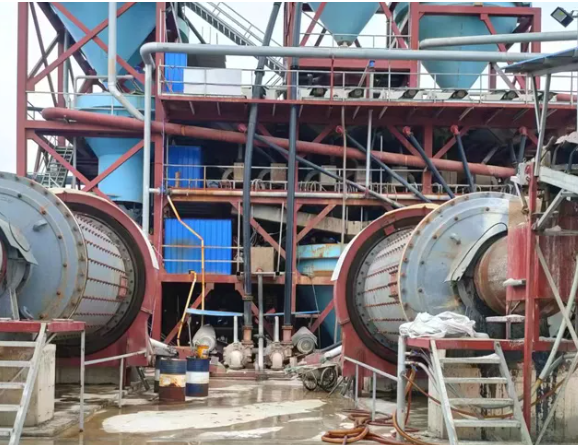
Practical Examples
Example 1: Ball Mills in Mining
In the mining industry, ball mills are essential for processing ores. For example, in gold mining, ball mills are used to grind gold ore into fine particles before extracting the gold. This is a crucial step that increases the efficiency of the extraction process.
Example 2: Ball Mills in Pharmaceuticals
In the pharmaceutical industry, ball mills are used to grind and mix materials to create uniform drug formulations. They help in producing fine powders needed for creating tablets or capsules. This consistency ensures the effectiveness and safety of pharmaceutical products.
Example 3: Ball Mills in Cement Production
In cement plants, ball mills are used to grind raw materials like limestone and clinker into fine powders, a necessary step in cement production. The uniformity of the powder ensures that the final cement product has consistent quality and strength.
Conclusion
Ball mills are vital in various industries for their efficiency and versatility. They help break down materials into fine powders, which are essential for producing high-quality products. Selecting the right ball mill for your needs, choosing the proper grinding media, and maintaining the equipment are crucial for maximizing effectiveness, reducing costs, and boosting productivity. Regular maintenance extends the ball mill’s lifespan and ensures smooth operations.
Nanjing Sinonine Heavy Industry Science and Technology Co., Ltd. offers high-quality ball mills that provide value through superior performance and durability. Their products ensure optimal material processing and efficient production.
FAQ
Q: What is a ball mill?
A: A ball mill is a type of grinding mill used to reduce materials into fine powders. It uses rotating cylinders and grinding media, such as steel balls, to break down materials through impact and attrition.
Q: How does a ball mill work?
A: A ball mill works by rotating a cylindrical container with grinding media inside. As the cylinder rotates, the grinding media collide with the material, breaking it down into finer particles.
Q: What materials can a ball mill grind?
A: A ball mill can grind a wide range of materials, including ores, ceramics, chemicals, and pharmaceuticals. It is highly versatile and used across various industries for fine grinding.
Q: What are the advantages of using a ball mill?
A: Ball mills offer high efficiency, versatility, and continuous operation, making them ideal for large-scale production. They ensure consistent results and are capable of grinding various materials.
Q: What is the cost of a ball mill?
A: The cost of a ball mill depends on factors like size, material, and design. Industrial-scale ball mills tend to be more expensive, but their high efficiency and long lifespan justify the investment.


